
Remembering Dr. Booker T. Whatley: Godfather of Community Supported Agriculture
In Honor of Black History Month
By Ianthe’ Smith, FBBG Community Engagement Associate
Did you know that the person who innovated the modern-day CSA was from Alabama? This is the legacy of Dr. Booker T. Whatley, an agricultural educator whose ideas helped shape what we now know as Community Supported Agriculture (CSA). A CSA is a farming model where consumers purchase a share of a farm’s harvest in advance, providing farmers with financial stability while receiving fresh, seasonal food throughout the growing season. Long before the term “CSA” became popular, Whatley introduced this concept as Clientele Membership Clubs (CMC), a system rooted in cooperation, sustainability, and community-based food systems. His work continues to influence how farmers and communities connect today.
Who was Booker T. Whatley, and why is his work essential to understanding Community Supported Agriculture?
Booker T. Whatley was a professor of agriculture at Tuskegee University, an author, and a strong advocate for small-scale and Black farmers.
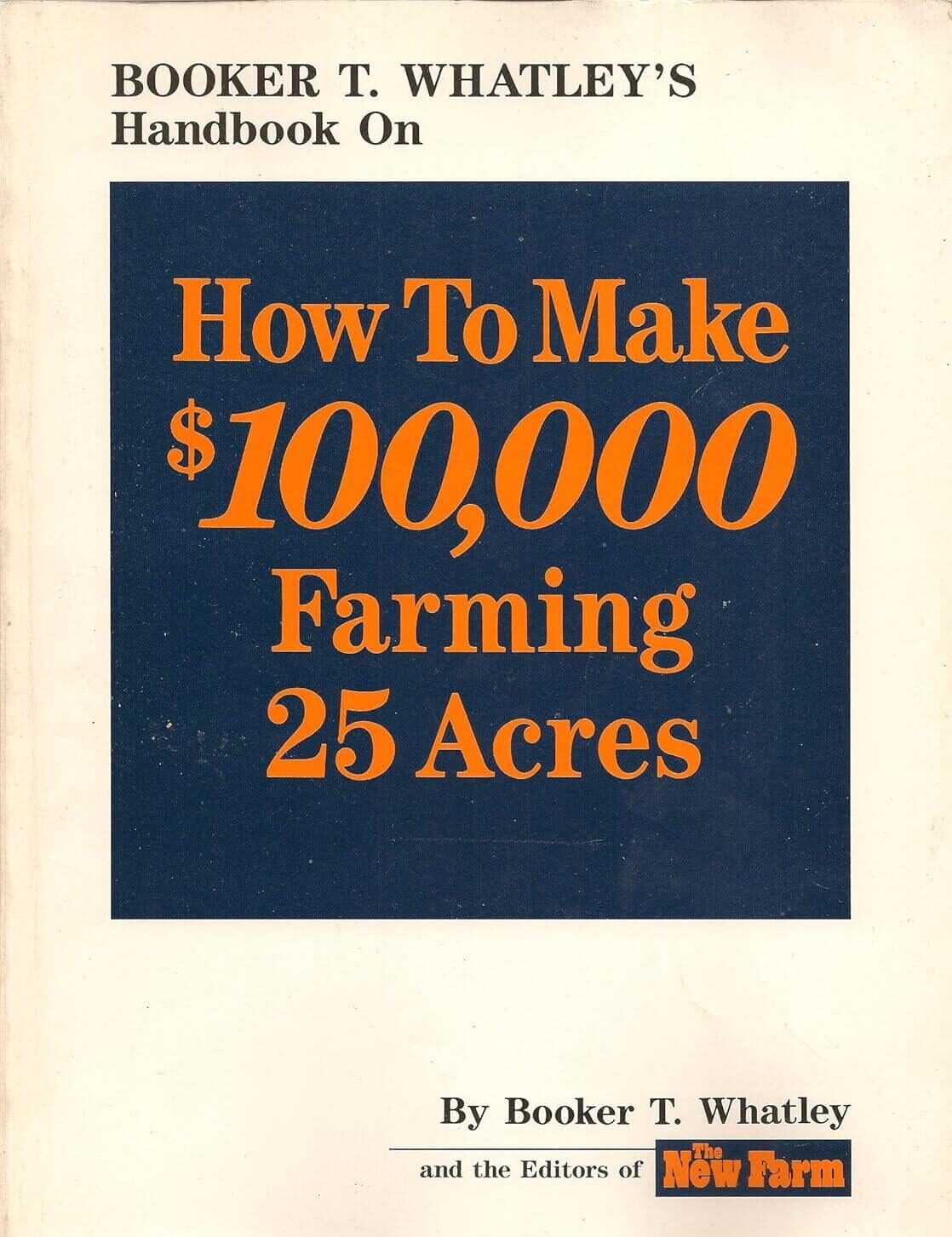
His work focused on helping farmers become economically self-sufficient while serving their local communities. In his book, Booker T. Whatley’s Handbook on How to Make $100,000 Farming 25 Acres, Whatley emphasized direct marketing, shared risk, and guaranteed income for farmers—principles that are foundational to modern CSA programs.
Whatley believed that farmers should not rely solely on unstable commodity markets. Instead, he encouraged growers to build loyal consumer bases who would invest in the farm before the season began. This approach alleviated financial uncertainties and strengthened farmer–consumer relationships while promoting food sovereignty. Whatley’s early vision and leadership in creating this model molded how CSA operates today.
What role did Booker T. Whatley play in connecting farmers directly to consumers?
Booker T. Whatley was instrumental in promoting direct-to-consumer agriculture. He encouraged farmers to eliminate middlemen by selling directly to individuals and families who were committed to supporting the farm. Whatley talked about how to reach an audience that could support farms by marketing with advertisements in the local newspaper, or with posters, brochures, and even by writing personal letters. The members pay upfront and receive fresh and seasonal produce in return, creating a dependable income stream for farmers.
He also stressed the importance of customer relationships, quality products, and trust. By framing consumers as “members” rather than customers, Whatley fostered a sense of shared responsibility between farmers and the people they fed. This direct connection is now a defining feature of CSA programs nationwide.
What lessons does the CSA model offer for building equitable and sustainable food systems?
The CSA model teaches us that equity, sustainability, and community engagement must work together. It prioritizes fair compensation for farmers while providing predictable income, shared risk between producers and consumers, and helps sustain local food production and access.
CSAs remain a powerful tool for addressing food insecurity. This model encourages seasonal eating, reduces food miles, and offers communities access to fresh, nutritious food, often at lower costs than retail markets. Many modern CSAs have expanded on Whatley’s original ideas by accepting SNAP benefits, offering sliding-scale pricing, and partnering with schools, nonprofits, and community organizations.
Perhaps most importantly, CSA programs demonstrate that food systems can be built on cooperation rather than exploitation. This lesson is especially relevant for addressing racial and economic inequities in agriculture.
How is Birmingham Botanical Gardens involved in CSAs?
The Gardens serve as a pickup location for Snow’s Bend Farm, located outside Tuscaloosa, Alabama, in the rural community of Coker. This partnership helps the farm reach more community members while making fresh, local, and seasonal produce more accessible. Please visit their website for more information about their CSA.
Booker T. Whatley’s vision reminds us that strong food systems begin with strong relationships—between farmers, communities, and the land itself.
For those interested in exploring additional CSA options, visit localharvest.org/birmingham-al.
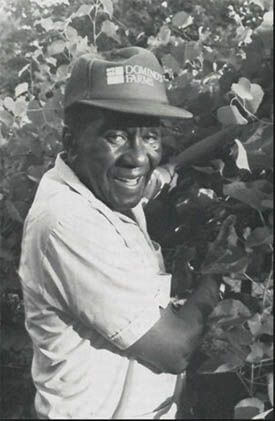
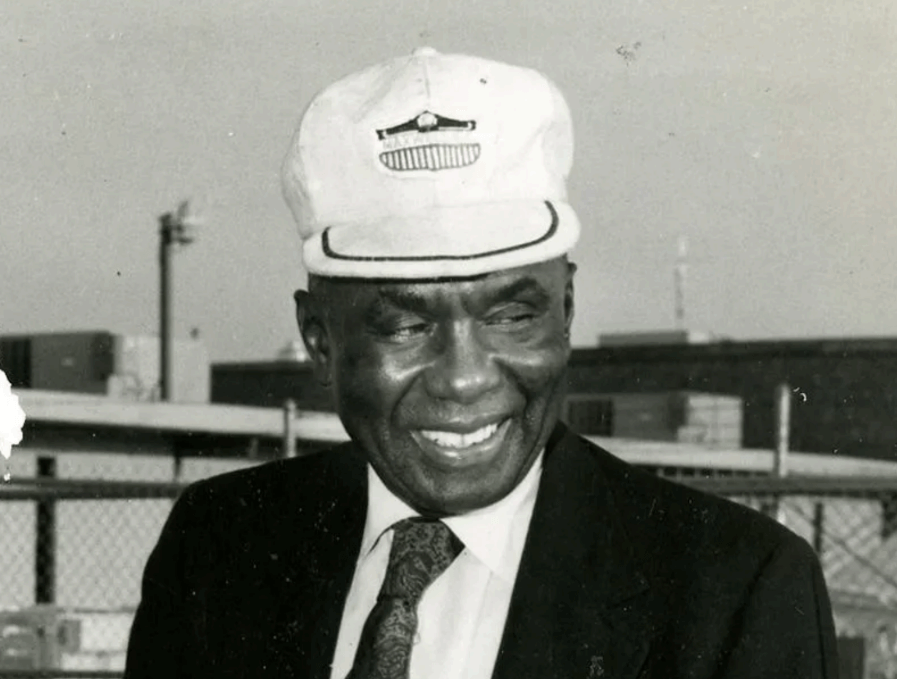
Photos originally published in Booker T. Whatley’s Handbook on How to Make $100,000 Farming 25 Acres, copyright 1987 by the Regenerative Agriculture Association and the nonprofit Rodale Institute.
Contributor: Ianthe’ Smith
Ianthe’, whose name means “violet” or “purple flower” in Greek, is the community engagement associate for Friends of Birmingham Botanical Gardens. She earned her bachelor’s degree in environmental science and natural resources from Tuskegee University, and she is a certified Alabama Master Gardener. Previously, she worked in AmeriCorps to assist food justice initiatives such as food-based education, food security solutions, sustainability, and community engagement.
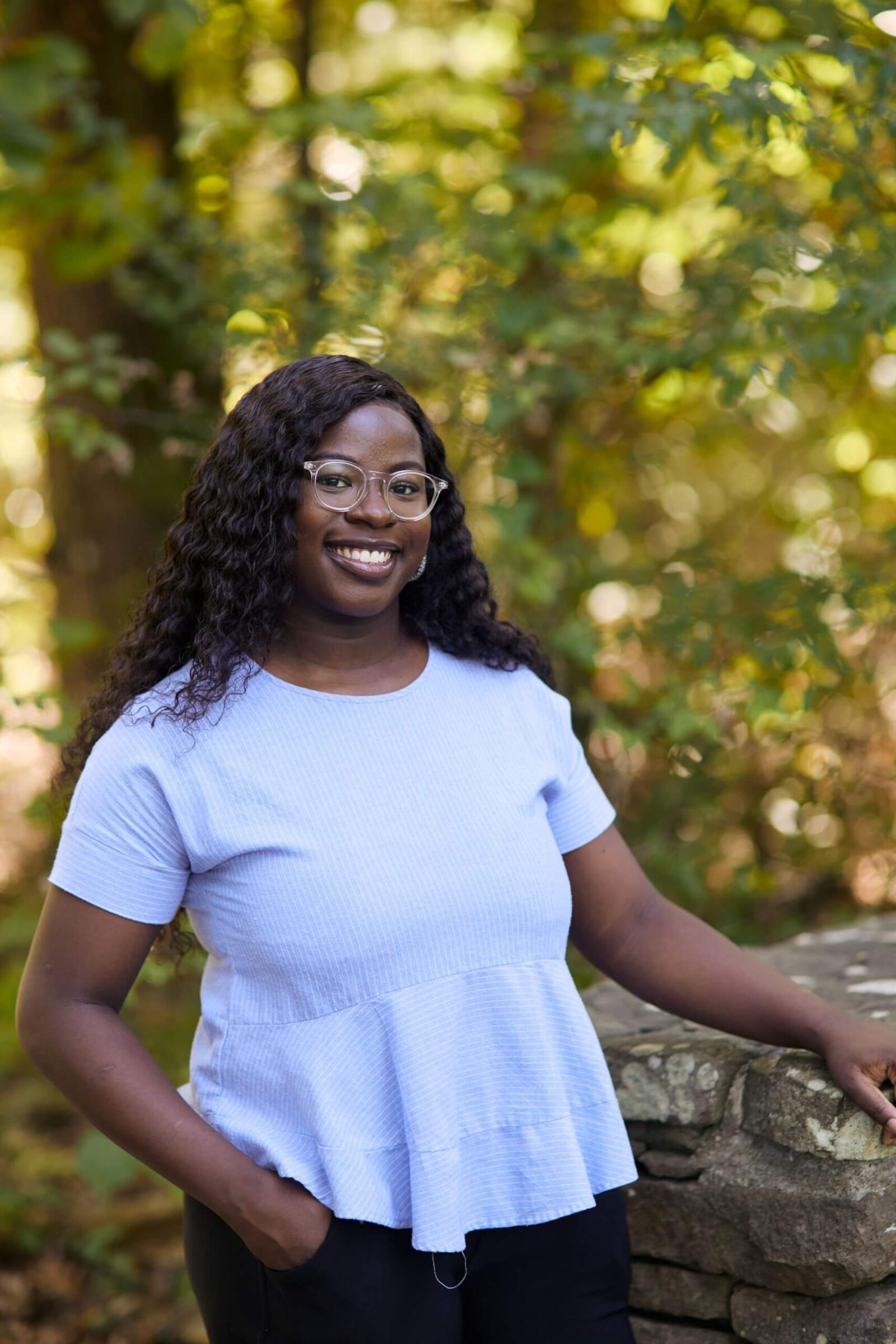
Photo by Graham Yelton